Practical tips
How to Haggle in Marrakech: a Local Family's Method for the Souks
How to haggle in Marrakech: a conversation, not a fight
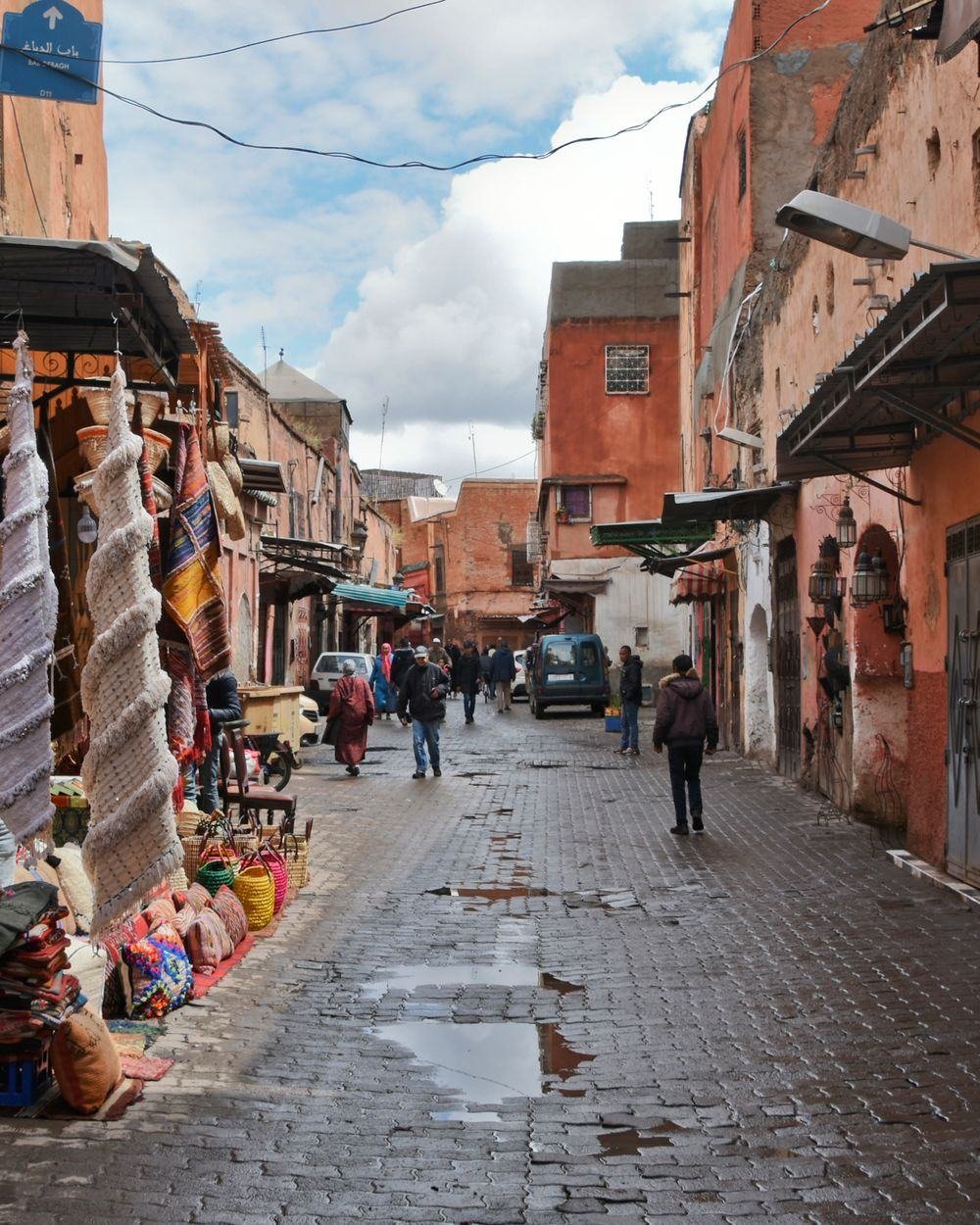
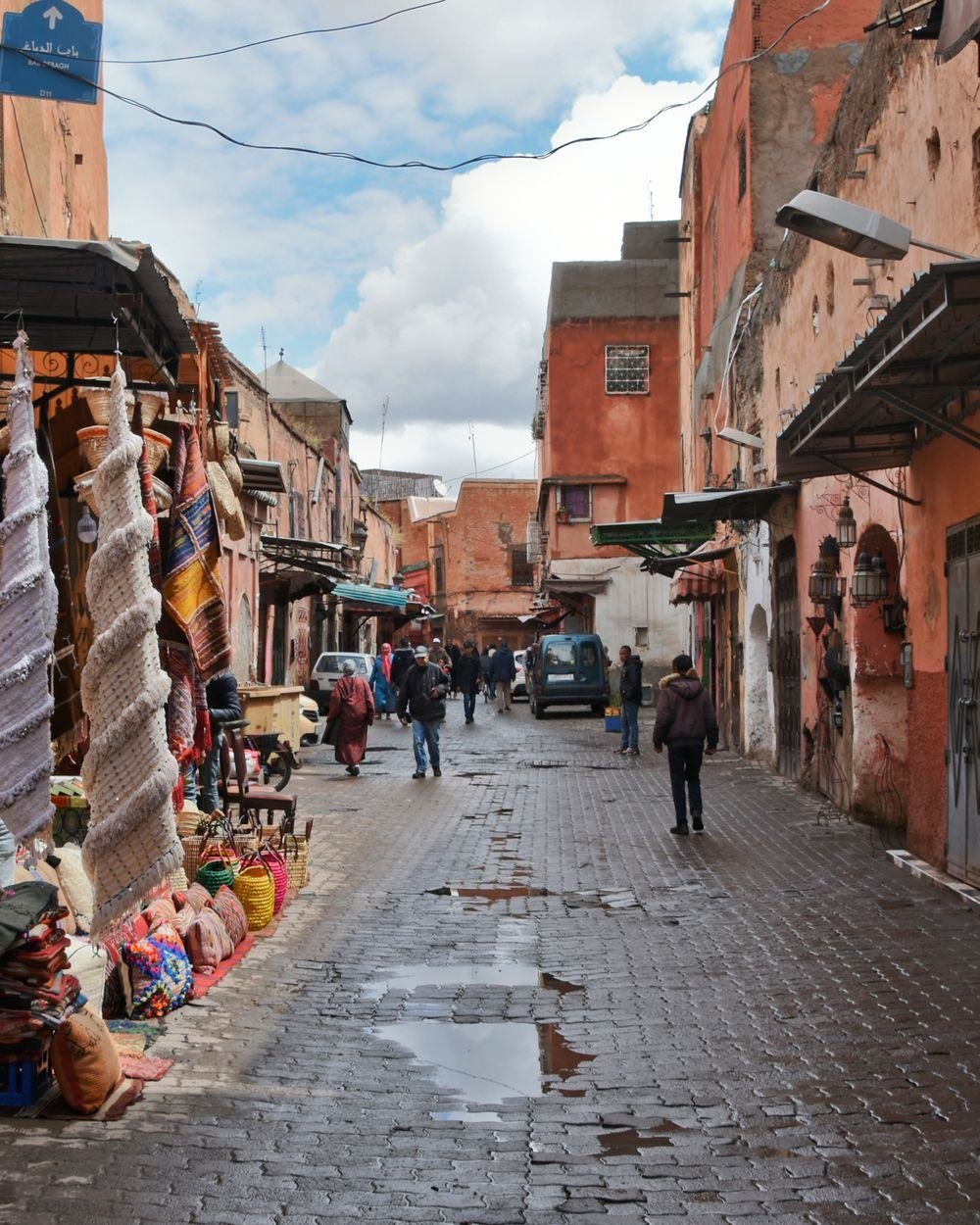
For many travellers, bargaining is the most intimidating part of the souks. For a Marrakchi, it is a normal conversation: you talk about the item, make an offer, discuss, smile. Nobody expects you to know the prices, and nobody will hold it against you if you say no.
Bargaining is for crafts: rugs, lanterns, leather, ceramics, jewellery. It is not for food, nor for shops with displayed prices. Once you understand that, it can even become one of the pleasures of your stay.
A good haggle almost always ends with a smile on both sides: the seller has sold, and you have paid the price you decided on. That moment, more than the discount, is what makes a good souk memory.
Where you haggle, and where you do not
| Situation | Haggle? | What to do |
|---|---|---|
| Crafts in the souks (rugs, lanterns, leather, ceramics) | Yes | Decide your price before asking the seller's |
| Food, fruit, food stalls | No | Pay the price asked |
| Fixed-price or labelled shops | No | The price is the price |
| Taxi, porter, informal guide | Agree the price first | Settle it before you get in or follow anyone |
For taxis, remember the fare is for the vehicle, not per person. For the other traps worth knowing on arrival, read Marrakech airport to the medina.
The method in five steps
- Look before you buy: walk around a few shops and compare the items you like.
- Decide your price before asking the seller's: what the item is worth to you, not what you think it is 'worth'.
- Ask the price, then calmly answer with a lower offer of your own, without long explanations.
- Discuss with a smile: each side takes a step towards the other. If you reach your price, or close to it, you have done well.
- If the gap stays too wide, say thank you and walk away politely. That is accepted, and you will often find similar items elsewhere in the souks.
Once a price has been accepted on both sides, you buy: backing out at that point is frowned upon. Pay in cash with small dirham notes, because cash is king in the souks.
Words that help
You do not need Arabic to haggle: French and English are widely spoken in the souks. Two words are enough to be polite: 'choukran' (thank you), and 'la, choukran' (no, thank you) when you do not want to come in or buy. A smile does the rest.
What to bring home, and where to buy it
The Marrakech souks are full of crafts: rugs, lanterns, slippers and leather goods, ceramics, jewellery. That is where haggling makes sense. For some products, where you buy matters as much as the price: argan oil is best bought from a women's cooperative, like the ones visited on the way to the Ourika Valley or Essaouira; thuya wood objects come from the craftsmen's workshops of Essaouira.
Before you buy, think about space in your luggage: a lantern or a rug travels less easily than a pair of slippers. Ask the seller to wrap it well; they are used to it.
What to avoid
- Starting to haggle over an item you have no intention of buying.
- Getting angry: if the price does not suit you, walking away politely is enough.
- Feeling obliged because you drank a tea, looked for a long time or asked questions: that is not a commitment.
- Pulling out a large note to pay: keep small notes.
The first time, with a guide
If you want to learn the codes before going alone, a licensed local guide takes you through the souks and tells you what a fair price looks like, with no pressure to buy. That is what our private Marrakech city tour with a local guide offers, full or half day, from €50 per person.
For money, etiquette and the best season, also read our Marrakech travel guide, and for the traps to avoid, Marrakech souk scams.